Preloader

Rebuilding for Resilience

The Future of Fire-Safe, Insurable Housing in Los Angeles

Join the Online Resiliency Symposium
Live on June 20 @ 9:00 AM

Can't attend? Register to get access to recordings right after the event.

As wildfire risk reshapes the future of housing in California, homeowners and professionals are confronting unprecedented challenges around insurance, rebuilding costs, resilient construction, and long-term community recovery. This symposium brings together leaders across architecture, insurance, construction, fire science, government, and nonprofit recovery to help California communities rebuild stronger, safer, and more insurable homes.

IBHS Building Standards Institure for Business and Home Safety Los Angeles Fire Rebuilds Certificaion
Metricon Firesafe Design and Construction Los Angeles Fire Recovery Builders Alliance Founding Member
Resiliency Company LA Fire Recovery Rebates for IBHS Resilient Construction
Form Found Design Architects for Fire Resilient Homes in Los Angeles CA
Case Study Los Angeles Recovery Design Consortium Architects
Acrisure Private Risk Advisors LA Fire Recovery Insurance Premiums Affordable
BUILDNOTES.LA Portal for Fire Recovery Construction Materials & Finishes
0

The LA Resiliency Symposium is comprised of architects, builders, and supporting organizations committed to Protecting Families, Homes & Communities

About the LA Resiliency Symposium

Enhance home value with a safe, insurable home.

A curated discussion of the biggest issues affecing homeowners, communities, architects, insurers, and recovery leaders navigating rebuilding in California.

Plan for Safety & Insurability

  • Why homes are becoming uninsurable
  • What insurers now require
  • Builders risk vs HO policy realities
  • IBHS certification impacts
  • Rate impacts of resilient materials

Prioritize Resilient Design

  • How to achieve safety without sacrificing beauty
  • Protected ignition points
  • Handling vents and eaves
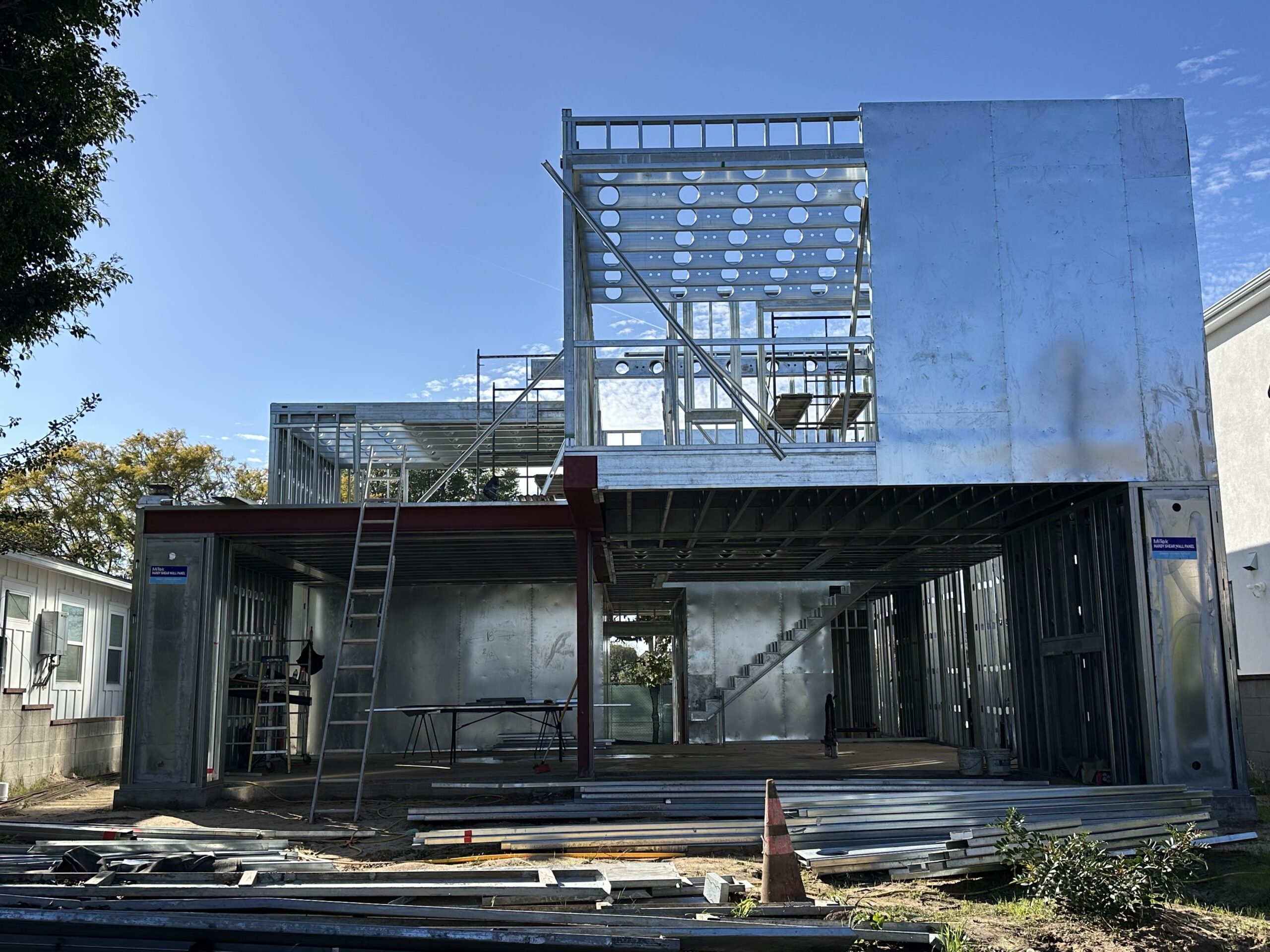
  • Fire-safe wall systems
  • Sprinklers and advanced systems
  • Landscaping & defensible space

Understand Construction & Recovery Economics

  • LGS vs Wood construction
  • Material cost trends and contract allowances
  • Sourcing resilient materials
  • Hedging against labor shortages
  • Rebuild timelines for various construction methods
  • Long-term equity and resale value

Community & Public Recovery

  • SBA repayment versus Eaton Fire Lawsuit distributions
  • Delta Fund overview
  • Insurance Program for Resilient Rebuilds
  • Sharing resources with your neighbors and constituents

Curated for the communities and professionals rebuilding Los Angeles

HOMEOWNERS & COMMUNITY LEADERS

Designed for homeowners, HOA's, neighborhood captains, and civic leaders seeking practical guidance on resilient rebuilding, insurability, safety, and long-term property value.

ARCHITECTS & DESIGN PROFESSIONALS

Explore fire-resilient design strategies, IBHS standards, material systems, construction economics, and the future of rebuilding in wildfire-prone communities.

INSURANCE & REAL ESTATE PROFESSIONALS

Gain insight into underwriting trends, resilient construction incentives, market outlooks, and the evolving relationship between design, risk, and property value.

NONPROFITS & GOVT RECOVERY GROUPS

Better support fire survivors with guidance around rebuilding, insurability, resilient housing strategies, funding pathways, and long-term community recovery.

Become a stronger advocate for the communities you serve.

Explore topics for the Resiliency Symposium

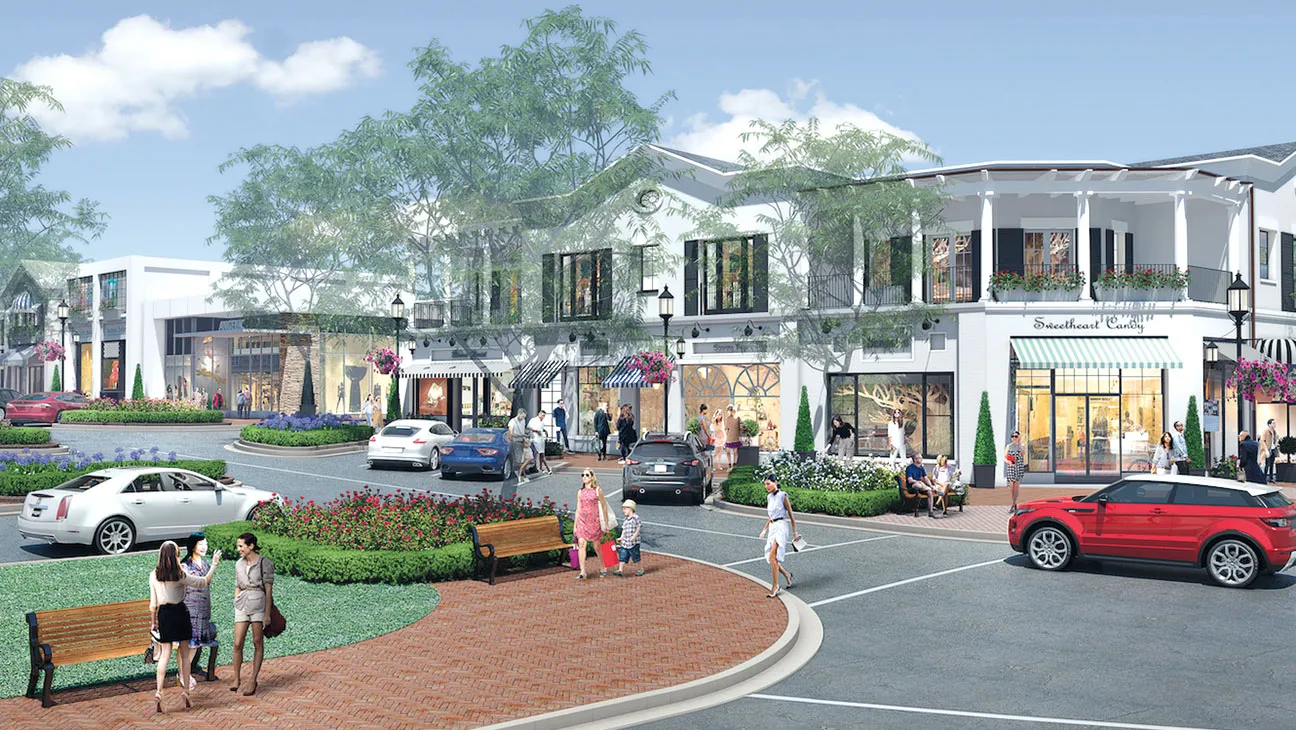
Palisades Shopping Caruso LA Fire Recovery Metricon IBHS Resilency Events Construction Design

9:00AM

A New Standard for Fire Resilient Design

Expert-Led Keynote Sessions

Experience inspiring keynote sessions led by industry experts who share valuable insights, trends, and strategies to help you grow personally and professionally.

9:45AM

A New Standard for Fire Resilient Design

Expert-Led Keynote Sessions

Experience inspiring keynote sessions led by industry experts who share valuable insights, trends, and strategies to help you grow personally and professionally.

LA Fire Resiliency Symposium Panelists

Palisades Eaton Fire Postfire Recovery Event Workshop

Your Questions, Clearly Answered

FAQ's

What are recovering families asking most?

A fire-resilient home is designed and maintained to reduce the likelihood of ignition from embers, radiant heat, and direct flame contact during a wildfire. Research from IBHS shows that home survival is largely influenced by how the structure and surrounding property are built and maintained.

Wind-driven embers are the leading cause of home ignitions. Embers can travel miles ahead of a fire front and ignite roofs, vents, gutters, mulch, and vegetation around a home.

Zone 0 is the first five feet surrounding your home. IBHS considers this area critical because embers often accumulate here. Keeping this zone free of combustible materials such as mulch, firewood, shrubs, and wood fencing can significantly reduce ignition risk.

Ember-resistant vents are specially designed vents that help prevent embers from entering attics, crawl spaces, and other vulnerable openings. Since attic ignitions are a common cause of home loss, upgrading vents is one of the most cost-effective wildfire-hardening measures.

Yes. A Class A fire-rated roof is considered one of the most important wildfire protection features because roofs are a common location for ember accumulation and ignition.

Noncombustible materials such as stucco, fiber cement, masonry, and metal generally provide greater protection against radiant heat and direct flame exposure than combustible materials.

IBHS recommends a noncombustible five-foot zone immediately around the home and maintenance of defensible space extending at least 30 feet from the structure, with additional vegetation management beyond that where feasible.

Yes. Certain landscaping features, including combustible mulch, dense shrubs, dead vegetation, and tree branches overhanging roofs, can increase the likelihood of ignition. Fire-resilient landscaping focuses on spacing, maintenance, and noncombustible materials near structures.

No. As wildfire activity expands into more communities, resilient building practices can benefit homeowners in a wide range of environments, particularly those near open space, grasslands, or wildland-urban interface areas.

Many insurers increasingly recognize wildfire mitigation efforts. Programs such as IBHS Wildfire Prepared Home provide third-party verification of resilience measures and may help homeowners improve insurability and access available discounts where offered.

No. IBHS emphasizes a systems-based approach. The greatest protection comes from combining multiple measures—including defensible space, ember-resistant vents, roof protection, and fire-resistant construction materials—rather than relying on a single upgrade.

The Wildfire Prepared Home designation is a science-based program developed by the Insurance Institute for Business & Home Safety (IBHS). It provides homeowners with a roadmap for reducing wildfire risk through proven mitigation actions focused on roofs, building features, and defensible space.

Explore advice from symposium participants

Mastering Public Speaking: Expert Tips for Confident Presentations

Mastering Public Speaking: Expert Tips for Confident Presentations

Staying safe in everyday life doesn’t require advanced martial arts training—just a […]

Mastering Public Speaking: Expert Tips for Confident Presentations

Mastering Public Speaking: Expert Tips for Confident Presentations

Staying safe in everyday life doesn’t require advanced…

Simple Self-Defense Skills Everyone Should Learn for Safety

Simple Self-Defense Skills Everyone Should Learn for Safety

Staying safe in everyday life doesn’t require advanced…